Professional Master's Degree in Management and Public Policies - State, Government and Public Policies (EGPP)
Develop a panoramic view of the problems of the government, the state and public policies.
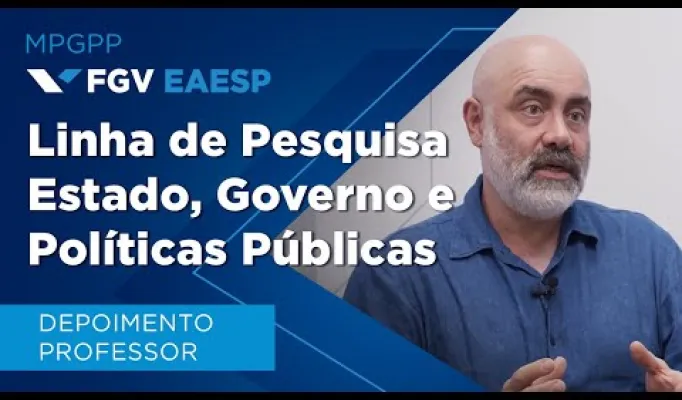
Why choose this course
You will have the opportunity to learn and debate about the complex process of governing and producing public policies, in order to have a strategic vision of how to solve problems in this area.

Holistic approach
Analysis from a transversal perspective of the state, public institutions and civil society.

Systemic vision
Gain an in-depth knowledge of state institutions and the workings of government.

Political thinking
Understand the public policy process in its cycle of formulation, implementation, monitoring and evaluation.

High training
Study at a school with national and international recognition for an excellent education.

About the master's degree
This training will broaden your view of the state and government, how institutions work, how public policies are designed and implemented and the problems that exist, including the relationship between the state and civil society.
This line of the MPGPP is more general in nature, covering issues of state structure, public management, the organization and functioning of government, political institutions, relations between non-state actors and the state.
It also covers public policies, including those oriented towards the process of economic and social development and the management of public finances.
Who the course is for
Professionals who seek an in-depth understanding of state issues and training that encourages critical and analytical thinking about these aspects and their problems in order to find solutions.

Reflection
People interested in gaining and sharing knowledge to propose public improvements.

Vision
Professionals who want to expand their knowledge in order to be agents of collective transformation.

Innovation
For those looking for an up-to-date and widely recognized course to excel in the field.

Versatility
Professionals who want a solid and excellent education, with flexibility in the learning flow.
More information
Frequency and timetables
The Professional Master's Degree in Management and Public Policies (MPGPP) has a total workload of 510 hours.
FGV's MPGPP classes are semi-presential.
Face-to-face meetings take place on Fridays and Saturdays.
On Fridays, in the evening, and on Saturdays, in the morning and afternoon.
Certification issued
Upon graduating from the MPGPP you will receive a Master's degree in Management and Public Policy.
Tuition
R$ 149.900,00 em 24 parcelas de R$ 6.245,83 (Condições especiais para pagamento à vista)
Serão aplicados os valores definidos na tabela abaixo aos alunos aprovados e matriculados em cada um dos períodos de inscrição (vide anexo I para um detalhamento maior dos períodos).
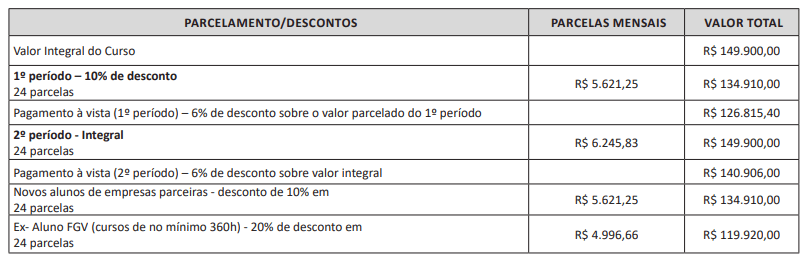
Observações: Os descontos de ex-alunos e empresas parceiras não são cumulativos.
Taxa máxima de desconto: 20%
Reajustes anuais serão calculados com base no IPCA
15% discount for former FGV students. Check out these and other special conditions by clicking the “Read more” button.
Scholarships
Scholarships
The MPGPP offers two types of scholarship.

The master's degree has made a big difference in my day-to-day work, in the way I develop products within the company. I work in an urban and environmental policy consultancy, and the MPGPP brought me a lot of knowledge; a wide range of knowledge so that I could apply this knowledge in practice.
Fernanda Laham
MPGPP graduate
Get to know the Applied Works (AT) of MPGPP students
Scheduled stands
See how the program’s students are developing their final projects and the topics they have chosen to present to their examination committees.
Digital library
Access all the electronic publications available in the library's collection to do research and deepen your knowledge.
Tuition
R$ 149.900,00 em 24 parcelas de R$ 6.245,83 (Condições especiais para pagamento à vista)
Serão aplicados os valores definidos na tabela abaixo aos alunos aprovados e matriculados em cada um dos períodos de inscrição (vide anexo I para um detalhamento maior dos períodos).
Observações: Os descontos de ex-alunos e empresas parceiras não são cumulativos.
Taxa máxima de desconto: 20%
Reajustes anuais serão calculados com base no IPCA
15% discount for former FGV students. Check out these and other special conditions by clicking the “Read more” button.



































Selection process
Anyone interested must apply via the website by the closing date, submit their CV and pay the application fee.
The program's examining board will carry out a curriculum analysis to select the successful candidates.
If you pass the curriculum analysis, you will be called for an interview, which can take place in person or online.


Academic documents and information
Find all the important information you need to start your journey at FGV EAESP.
Opportunities
Single student
Choose to take some of the MPGPP's individual courses to improve your knowledge of specific topics in the program.
FGV EAESP Structure
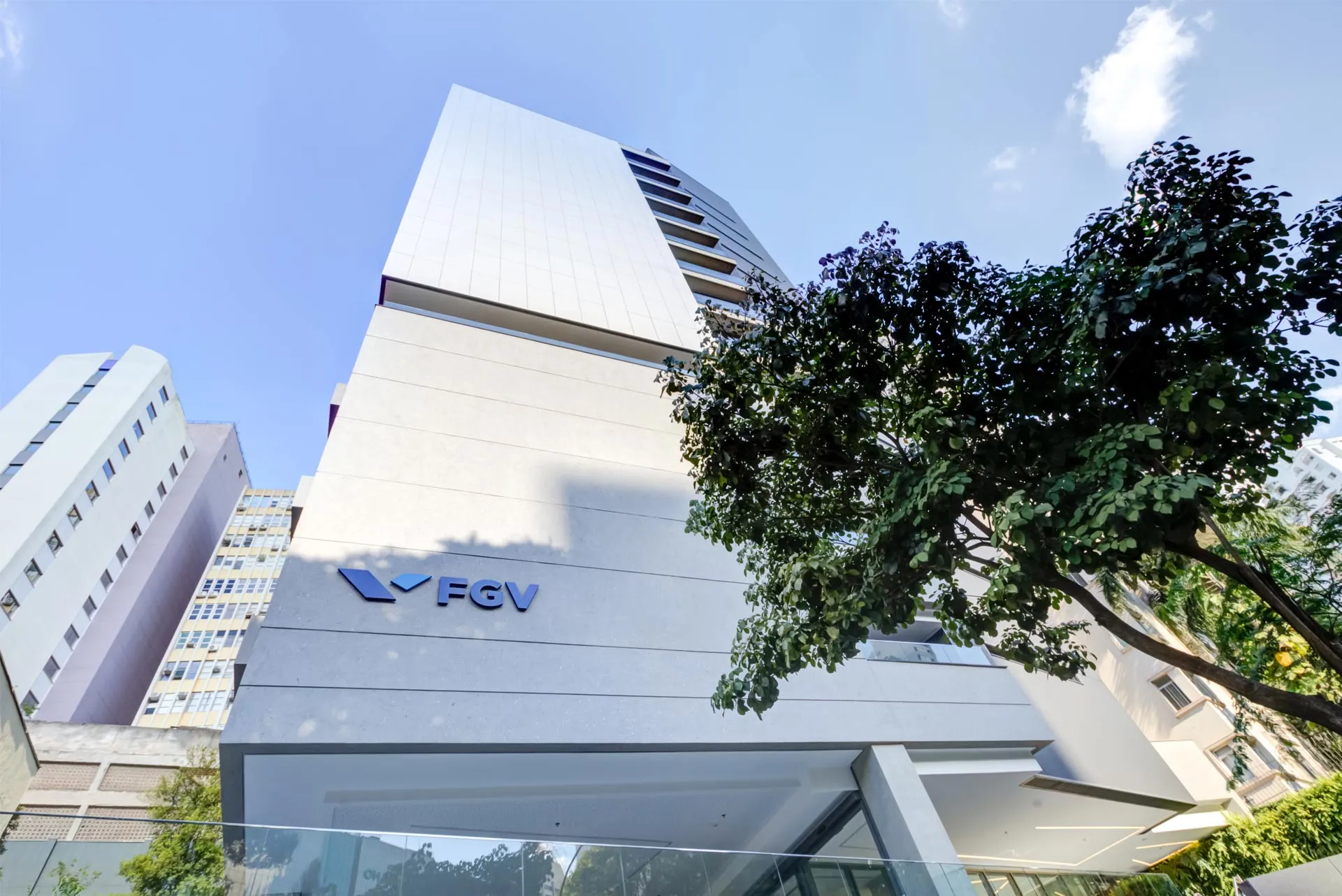
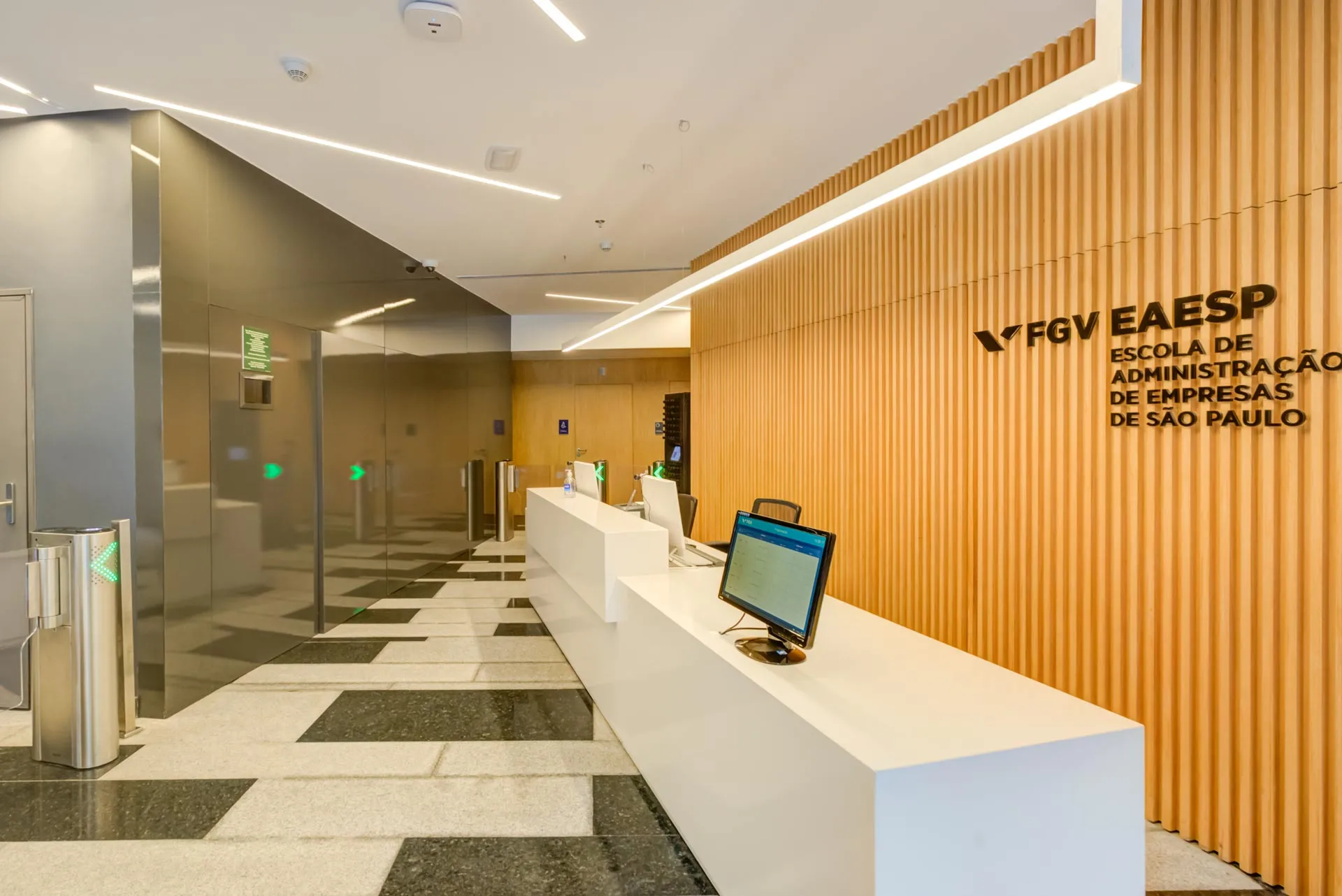
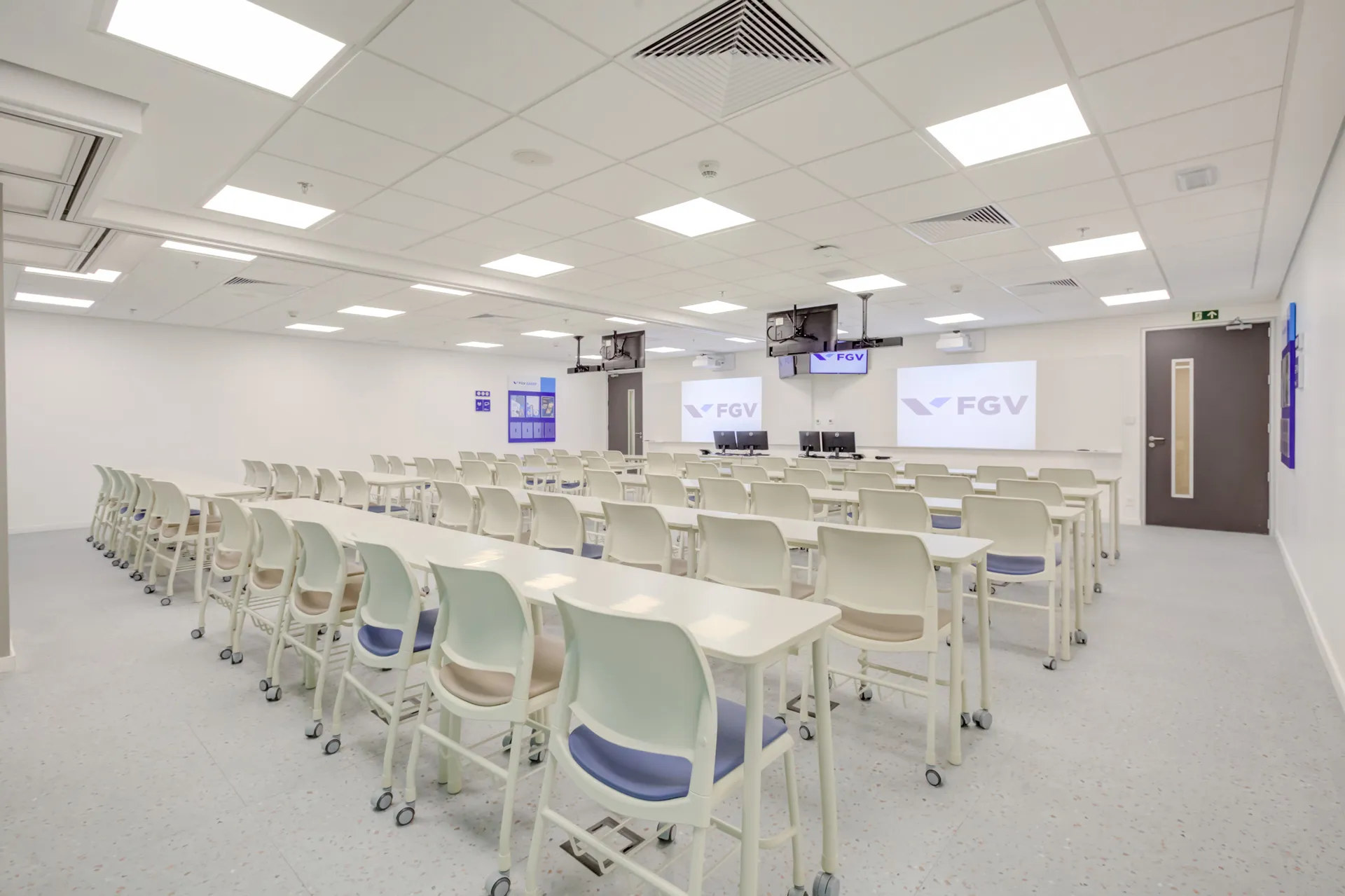
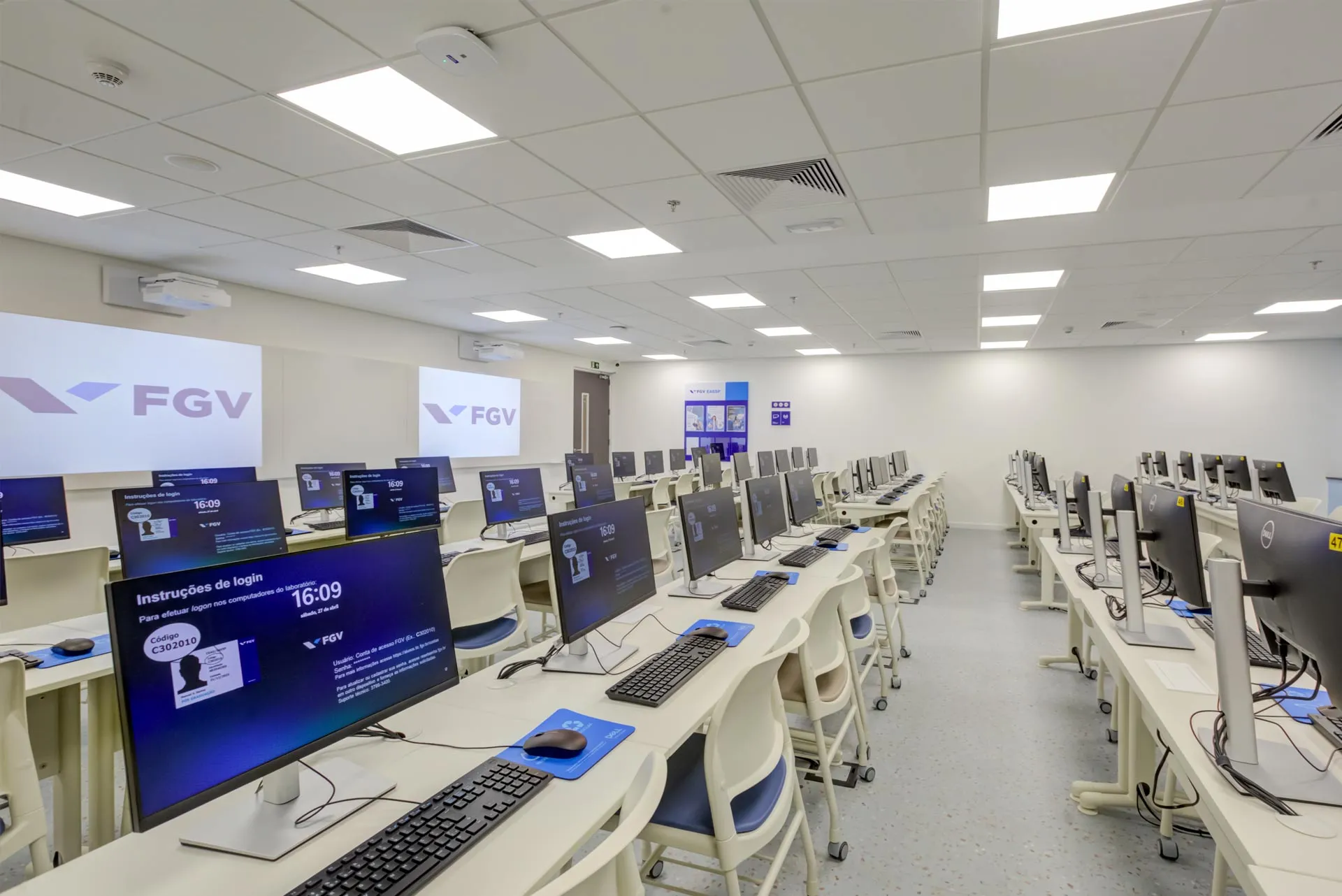
The combination of a well-located physical structure and the academic excellence of FGV EAESP with the dynamism of São Paulo creates an environment conducive to professional development, bringing culture, diversity, access to innovation and connection with the world.



Events
Take part in face-to-face and online events such as webinars, lectures and symposiums on current topics of great relevance to the job market and society.
