Academic cooperation marks meeting on inclusive FinTech at the University of Cape Town.

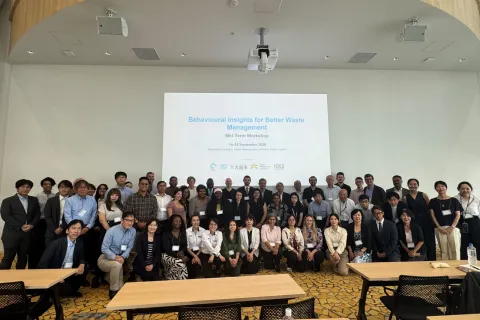
On November 20th, researchers from FGV EAESP and the Center for Studies in Microfinance and Financial Inclusion (FGVCemif) participated in the Inclusive FinTech: FGV–UCT Meeting seminar , held at the University of Cape Town (UCT) , one of the leading academic institutions on the African continent. The meeting was coordinated by Professor Camille Meyer (UCT GSB - Graduate School of Business) and Professor Eduardo Diniz (FGV EAESP). The event brought together professors, researchers, government officials, and representatives of fintech companies from Brazil and South Africa to discuss pathways for innovation, financial inclusion, and socioeconomic development.
The morning program featured presentations by Brazilian researchers. Professor Lauro Gonzalez presented preliminary results from the research project "Brazil's Journey Toward Financial Inclusion ," conducted in conjunction with the Central Bank and funded by the Gates Foundation. Professor Érica Siqueira presented her research on socio-environmental fintechs, funded by CNPq. Professors Eduardo Diniz and Marcio Macedo addressed topics related to Black-owned fintechs.
Subsequently, researchers from UCT GSB, Cecile Feront, Jess Auerbach Jahajeeah, Nelson Manyenga, and Camille Meyer presented studies on environmental disclosure, technological infrastructure, stokvels, and complementary currencies in African contexts.
The afternoon session fostered interaction between academia and the market, with a panel that brought together representatives from Brazilian fintechs such as Conta Black and e-Dinheiro, as well as the participation of a director from ABFintech. African fintechs and initiatives also comprised a panel dedicated to local experiences, including a presentation by UCT FinHub, led by Allan Davids.
The event also hosted a session on opportunities for inter-regional collaboration, with the special participation of Brazilian diplomat Rômulo Neves, currently based in Rwanda, who has previously served in countries such as Mozambique, Ethiopia, Togo, Zambia, and Zimbabwe.
The meeting concluded with a systematization of the main lessons learned and the definition of next steps, reinforcing the institutions' joint commitment to strengthening academic and professional cooperation between the two continents.