Study analyzes how international cooperation can advance even in scenarios of geopolitical rivalry.
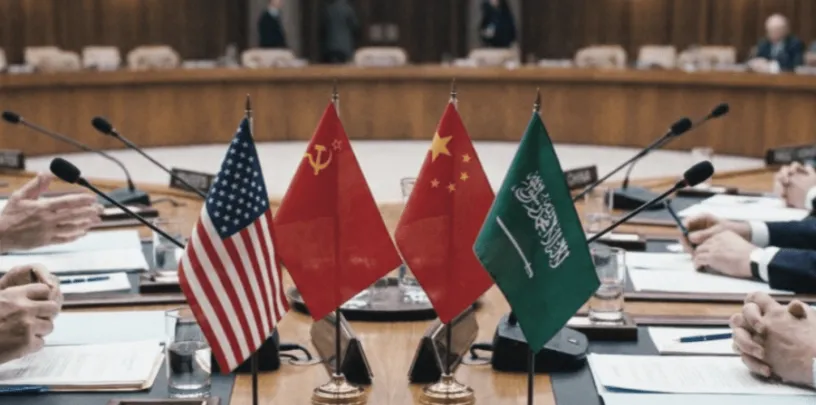
In a global context marked by political tensions and disputes between countries, international collaboration remains essential to address complex challenges. A study conducted by Diego Coraiola of FGV EAESP, Thomas Fewer, and Dali Ma analyzes how organizations manage to cooperate even under geopolitical rivalries, using the case of the Apollo-Soyuz Project, which united the United States and the Soviet Union during the Cold War.
Published in the journal Organization Science , the study examines historical documents, official records, and participant accounts to demonstrate how technical teams operated in two distinct environments: one supervised, permeated by state control and distrust, and another informal, which fostered dialogue and the building of personal relationships. These spaces allowed for the translation of informal learning into operational practices, reducing technical and cultural barriers.
The study indicates that creating spaces of trust and human interaction is crucial for enabling international partnerships, even in contexts of political rivalry.
Read the full article here.