Brazilian research contributes to new UN framework on financing development.
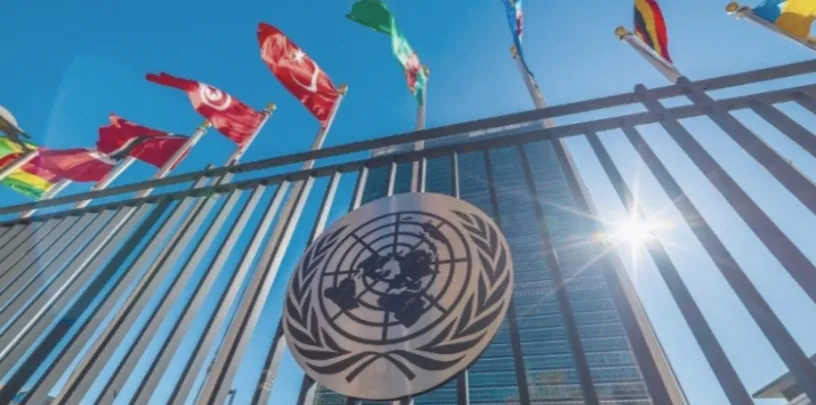
Professor Tiago Porto , from FGV EAESP and vice-coordinator of the Center for Studies of New Developmentalism , had his research recognized by the United Nations Commission on Trade and Development . He contributed to the development of the Sustainable Development Finance Assessment Framework, an instrument created to support developing countries in assessing their external financing needs and defining policies capable of enabling the achievement of the Sustainable Development Goals without compromising the sustainability of public and external accounts.
Recognition came with the publication of the report "Enhancing policy options for countries to finance their development goals sustainably ," which presents the SDFA Framework Mark II. The new version expands the initial scope, previously focused on SDGs 1 to 4, by incorporating SDG 13, aimed at climate action, as well as integrating climate dimensions from other goals. The tool allows for the simulation of transition scenarios to low-carbon economies and the analysis of their macroeconomic impacts.
FGV EAESP, through FGVcnd, has a direct role in the evolution of the model. The partnership with UNCTAD is in the process of being formalized with the aim of expanding the application of the framework, improving its analytical components, and extending its use to more countries and development goals. Part of the proposed advancements incorporates research lines coordinated by Professor Nelson Marconi, coordinator of the Center, cited in the report for his contributions on the macroeconomic effects of the exchange rate.
The framework has already begun to be applied in selected countries, with results to be released by UNCTAD. The expectation is that the model will become a benchmark for policymakers, offering evidence-based analyses on fiscal sustainability, balance of payments, and climate investments. According to Professor Tiago Porto, this recognition demonstrates how applied research can have a direct impact on policymaking and support decisions aligned with the SDGs with fiscal and external responsibility.
You can find the full report here.